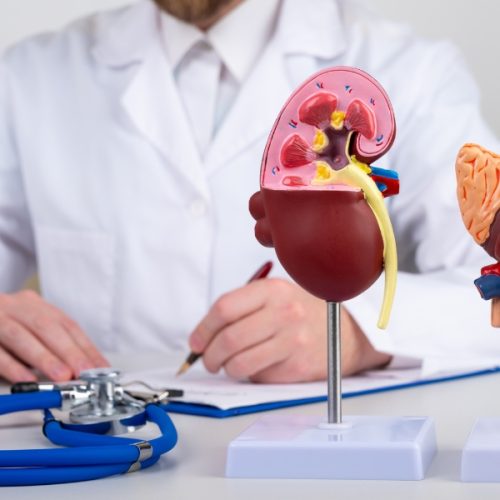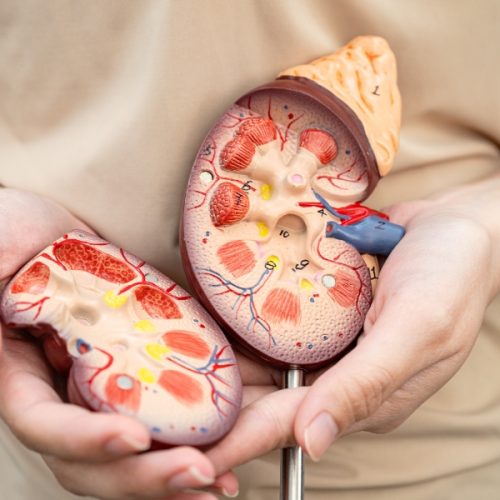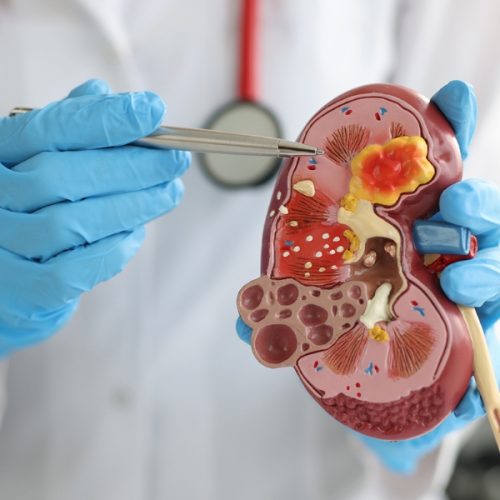
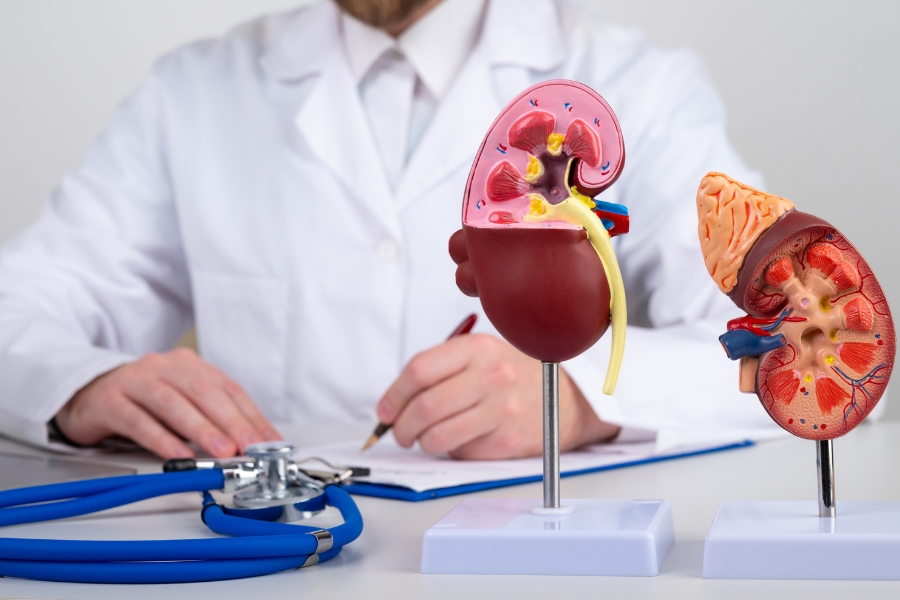
The Link Between Blood Pressure and Kidneys
Hypertension, commonly known as high blood pressure, is a major risk factor for kidney damage. But did you know that your kidneys also help regulate blood pressure? This two-way relationship makes it essential to take care of both. When blood pressure remains high over time, it can silently damage your kidneys, leading to chronic kidney disease (CKD) or even kidney failure. Fortunately, this condition is preventable and manageable with timely care.
How Do Kidneys and Blood Pressure Work Together?
Your kidneys filter blood, remove waste, and control fluid balance. They also help regulate blood pressure through the renin-angiotensin-aldosterone system. This system adjusts blood vessel tension and fluid levels.
If you have high blood pressure, it can:
- Narrow blood vessels in the kidneys
- Reduce blood flow to kidney tissues
- Damage tiny filtering units called nephrons
Over time, this leads to reduced kidney function, protein leakage in urine, and in severe cases, end-stage kidney disease.
Warning Signs: Is Your Kidney Health at Risk?
Hypertension often shows no symptoms, and early kidney damage is also silent. However, some signs may include:
- Swelling in ankles, feet, or around the eyes
- Frequent urination at night (nocturia)
- Foamy or bloody urine
- Persistent fatigue
- High creatinine levels in blood tests
If you have these symptoms along with high blood pressure, you must consult a nephrologist.
Who’s Most at Risk?
Certain conditions and lifestyle factors can increase the risk of kidney disease in people with hypertension:
- Diabetes
- Family history of kidney problems
- Smoking
- Obesity
- Sedentary lifestyle
- Overuse of painkillers (NSAIDs)
Tips to Protect Both Kidneys and Blood Pressure
Now that we understand the connection, here are actionable tips to preserve both kidney and heart health:
1. Cut Down on Salt
Excess salt increases fluid retention and raises blood pressure.
Goal: Limit sodium intake to less than 5 grams per day.
Tips:
- Avoid processed and canned foods
- Read labels for sodium content
- Replace salt with herbs and spices
2. Stay Physically Active
Exercise improves blood circulation and helps lower blood pressure.
Recommended: 30 minutes of moderate activity (walking, cycling, yoga) 5 days a week.
Bonus: It also helps control weight and blood sugar levels—both essential for kidney health.
3. Stay Hydrated — But Smartly
Drinking adequate water helps your kidneys flush out toxins.
Ideal Intake: 8–10 glasses a day, unless you have kidney issues where fluid restriction is advised.
Note: People with CKD should consult their doctor for fluid management.
4. Eat a Kidney-Friendly Diet
A healthy diet helps control blood pressure and protects kidney function.
Include:
- Fresh fruits and vegetables
- Whole grains
- Low-fat dairy
- Lean proteins like fish or tofu
Avoid: - High-sodium snacks
- Sugary drinks
- Red meat
Foods high in phosphorus and potassium (if you have CKD)
5. Take Medications as Prescribed
Some blood pressure medicines like ACE inhibitors or ARBs are kidney-protective. Never skip or self-adjust medications.
Regular monitoring of BP and kidney function (creatinine, GFR) is necessary.
6. Quit Smoking
Smoking narrows blood vessels and accelerates both high BP and kidney damage. Quitting has immediate and long-term benefits.
7. Limit Alcohol
Excess alcohol raises BP and harms kidney tissue.
Limit:
- Men: 2 drinks/day
- Women: 1 drink/day
8. Manage Stress
Chronic stress raises cortisol, indirectly increasing BP.
Try:
- Meditation
- Deep breathing
- Journaling
Counselling, if needed
9. Get Regular Health Checkups
Annual kidney and blood pressure checks can help detect early damage.
Important tests:
- Blood pressure readings
- Urine test (protein, albumin)
- Blood creatinine
- Glomerular Filtration Rate (GFR)
When to See a Nephrologist?
If you have:
- Uncontrolled high BP
- Protein in urine
- High creatinine
- Family history of kidney disease
- Swelling or persistent fatigue
Consult a nephrologist early. Timely intervention can slow or prevent progression of kidney disease.
Summary: Your Daily Checklist
|
Action |
Benefit |
|
Limit salt |
Lowers BP & kidney strain |
|
Exercise daily |
Improves heart & kidney function |
|
Hydrate properly |
Flushes toxins |
|
Eat balanced diet |
Supports overall health |
|
Monitor BP & labs |
Detects early damage |
|
Quit smoking |
Improves circulation |
|
Take medicines |
Controls BP & protects kidneys |
Conclusion: Prevention Is Powerful
Hypertension and kidney disease can silently damage your body. But with consistent lifestyle changes, regular monitoring, and expert guidance, you can manage your blood pressure and preserve kidney function for years to come.
Be proactive. Be preventive. Your kidneys and heart will thank you.